

101+ Heart-Touching Sorry Messages for Your Girlfriend to Melt Her Heart
The most meaningful apology names the specific hurt and takes ownership of your part in it. If your words or actions caused pain, a message can open a conversation, but changed behavior is what helps repair a relationship. A thoughtful apology is not about finding perfect words or making her forgive you quickly. It shows you understand what happened and care about how it affected her.
Impact recognition means naming how your behavior affected her, not just what you intended. The right message depends on the moment: a missed call calls for different words than a broken promise or a painful argument. These examples can help you begin, but personalize each one to what actually happened. Specific and honest will feel more real than a grand promise that does not fit.
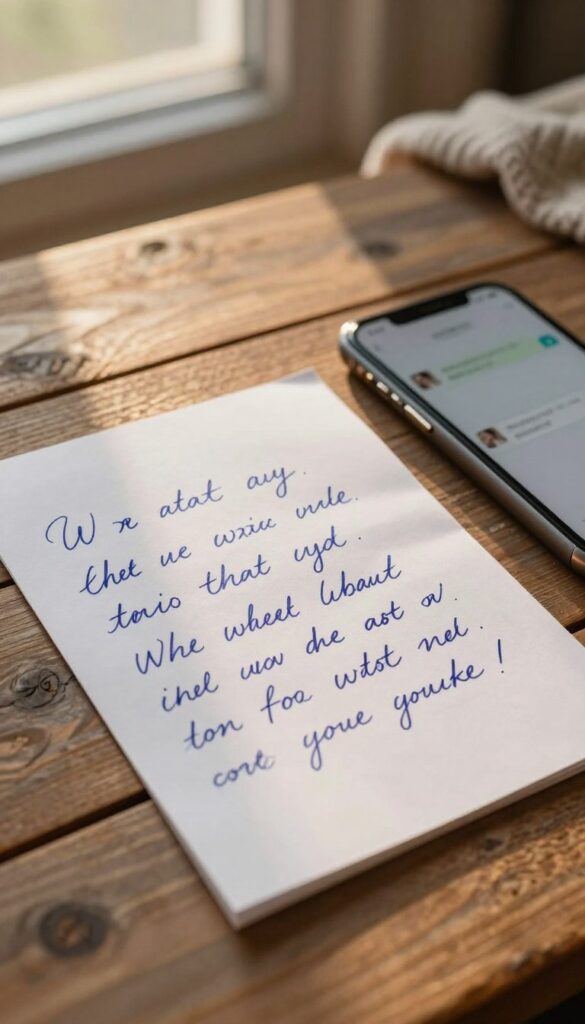
Use a message to invite a conversation, then let your actions support it. Find the example that fits your situation, beginning with brief messages you can send right away.
Heart Touching Sorry Messages for Girlfriend That Are Short and Sincere
If you forgot to call when you said you would, try, “I’m sorry I left you waiting. I should have called.” A short apology works best when it names the action instead of hiding behind a vague admission. Keep it direct, sincere, and free of pressure, even if you hope she will please forgive you.
Name what you did, say you are sorry, and leave her room to respond.
These messages fit a text or a quick note. Choose words that sound like you, and offer to make things right only if you mean to follow through.
- I’m sorry I canceled our plans at the last minute. I should have told you sooner.
- I was wrong to interrupt you. I’m sorry, and I want to hear the rest.
- I’m sorry I forgot what I promised. I’ll take responsibility and fix what I can.
- I spoke sharply, and you didn’t deserve that. Please forgive me when you’re ready.
- I’m sorry I made you feel unimportant. I want to understand what would help.
- I’m sorry I shared something private. I take full responsibility, with no excuses.
- I handled that badly. Can I make things right by replacing what I damaged?
- I’m sorry for the way I acted. I care about you, and I’ll respect your space.
A short message is a starting point when the situation needs more explanation. For deeper hurt, longer words can explain your regret without turning the apology into a defense.
Long Apology Messages That Explain Your Regret
If your actions broke an important promise, one sentence may not explain the harm or how you plan to change. Long heart touching sorry messages for girlfriend can give you room to name what happened and take full responsibility. Keep the focus on her experience, not your wish to feel forgiven.
Use these paragraphs as starting points, and replace general details with the truth. A promise to make things right should describe something you can actually do, not a sweeping pledge about the future.

- I told you I would keep our plans, then canceled without giving you enough notice. I know my choice disrupted your day and made you feel like an afterthought. I’m sorry. I will tell you sooner if something changes, and I understand that trust takes time.
- I’ve been thinking about how my actions affected you, not only about what I meant to do. I made you carry the worry and uncertainty. I’m sorry for that. You do not need to reassure me; I want to understand what this has been like for you.
- I know I damaged your trust, and I cannot repair it with one message. I’m sorry for the choices I made. I’ll be honest with you, answer your questions, and give you time to decide what you need from me.
- I was defensive when you tried to explain why you were hurt. That made a hard conversation lonelier for you. I regret shutting you down. I’m ready to listen without arguing over your experience or asking you to comfort me.
- I didn’t handle our disagreement with care. I focused on proving my point and lost sight of the person I love. I’m sorry for the way I spoke. I want to talk when you feel ready, and I’ll listen before responding.
- I’m sorry I left you to manage the plans we agreed to share. I should have done my part without waiting for reminders. I’ll take responsibility for arranging the next appointment and keeping the calendar updated.
- I know my apology cannot erase what happened or restore trust on its own. I’m sorry for the pain my choices caused. I will show you through consistent actions that I understand why this mattered.
- I regret making this about my intentions instead of the effect on you. I want to make things right, but I won’t decide what that means for you. If you’re willing, tell me what you need; if not, I’ll respect that.
A long apology should still stay focused on the person hurt. When the message is honest and clear, tenderness can add warmth without taking attention away from your regret.
Romantic Apologies That Remind Her She Matters
“I love you, and I was wrong to dismiss what you told me.” That line pairs affection with an admission instead of using love to cover a mistake. Romance can comfort her, but it cannot replace an apology. Say what you did plainly, then let your words show why she is an important person in your life.
A loving message does not need a grand promise. Small shared moments often say more about your relationship than dramatic claims about forever.
- You are an important person in my life, and I was wrong to make you feel ignored. I’m sorry I checked my phone while you were talking.
- I love the ordinary parts of our days, like sharing breakfast and trading stories on the way home. I’m sorry I took those moments for granted.
- You bring comfort to my heart, but I know affection cannot undo what I said. I’m sorry I mocked your concern, and I want to hear it properly.
- I care about the life we are building, and I regret making a decision without considering you. I should have asked what you thought first.
- I love your honesty, and I’m sorry I punished it with a defensive response. You deserved patience and respect from me.
- Being close to you matters more than winning one argument. I’m sorry I kept pushing after you asked for a pause.
- I miss our easy conversations, and I know I helped make them harder. I’m sorry I turned a small concern into a personal attack.
- You make familiar places feel like home. I’m sorry I forgot to notice what you needed during a difficult day.
Affection belongs beside accountability, not in place of it. If the mistake was minor, gentle humor may ease the moment; save it for situations where she is not deeply hurt.
Cute and Funny Sorry Messages for a Minor Mistake
If you ate the last cookie you promised to save, a playful apology may soften the moment. A cute message can own the mistake without pretending her feelings do not matter. Use humor only for low-stakes tension, not when she is deeply hurt, asking for space, or dealing with betrayal.
Keep the joke aimed at your own silly choice, not at her reaction. For more playful wording around a small social slip, these funny belated birthday wishes offer a similar light touch.
- I ate the last cookie, and I have no defense. I’m sorry; I owe you a fresh batch.
- I sent you a photo with my eyes closed. I’m sorry, my camera skills need supervision.
- I put your mug in the wrong cupboard. I’m sorry for this tiny kitchen mystery.
- I forgot to bring the snacks. I accept my snack-related responsibilities and will bring extras next time.
- I started the show without you. I’m sorry, and I’ll rewind to our last shared scene.
- I stole the warm side of the blanket. I’m sorry; I’ll return it with interest tonight.
- I made a terrible pun and laughed alone. I’m sorry for the joke and the encore.
- I mixed up our takeout order. I’m sorry, and dinner is on me while I fix it.
Humor can help with little mistakes, but real emotional hurt needs sincere words. Name what you said or did when your behavior caused pain.
Apologies for Hurting Her Feelings or Losing Your Temper
After snapping during a disagreement, say, “I raised my voice and called your concern ridiculous. I’m deeply sorry.” That apology names the behavior and recognizes its impact, rather than blaming the moment. Anger or stress does not excuse hurting her, even if you were having a hard day.
Use a message that fits what happened. Avoid “I’m sorry you feel that way,” which shifts attention away from your actions and onto her feelings.
- I raised my voice when you asked a fair question. I’m sorry I made it harder for you to speak.
- I called your idea stupid, and that was cruel. I’m sorry I treated something important to you with contempt.
- I made a sarcastic comment about your work. I know it hurt your confidence, and I regret saying it.
- I walked away mid-conversation without saying I needed a break. I’m sorry I left you confused and alone.
- I rolled my eyes while you were explaining your feelings. That was dismissive, and you deserved my attention.
- I used a personal detail against you during our argument. I’m sorry I broke your trust to win a point.
- I let my frustration shape my words. I should have paused instead of speaking to you that way.
- I blamed you for my outburst. My behavior was mine to control, and I’m sorry for the pain it caused.
A sincere apology does not excuse the words with a bad mood or a difficult moment. If a disagreement grew from different interpretations, acknowledge your part without erasing the hurt.
Messages for Apologizing After an Argument or Misunderstanding
If you read a brief comment as criticism and she meant it as a concern, the disagreement may have escalated on both sides. You can acknowledge the confusion while taking responsibility for your reaction. Calling something a misunderstanding must not erase its impact or excuse what you said.
These messages recognize shared tension without insisting she share blame. A calmer conversation can help you both understand what happened and decide how to make things right.
- We both got upset, and I know I made things worse by accusing you before asking what you meant. I’m sorry for that.
- I thought you were dismissing me, but I should have checked instead of reacting. I’m sorry I turned uncertainty into an argument.
- I’m sorry I focused on the one phrase that bothered me and missed what you were trying to say. I want to understand the whole thought.
- I know the conversation became painful. I’m responsible for the sharp things I said, even if we saw the situation differently.
- I’m sorry I kept trying to settle everything while we were both upset. Can we talk when we’re both ready?
- I misunderstood your point and responded as if you meant to hurt me. I’m sorry for putting that intention on you.
- I want to make things right without asking you to take blame for my part. If you want to explain your view, I’ll listen.
- Our argument left me thinking about how I handled the moment. I’m sorry I interrupted and raised my voice. You deserved a calmer response.
A disagreement can involve confusion, but a clear lie or broken agreement is different. That kind of breach needs direct words about trust and responsibility.
What to Say After Lying or Breaking Her Trust
If you said you had paid a bill when you had not, admit the lie plainly: “I told you it was paid, and that was untrue.” A justification can wait; your apology should acknowledge the lie and its impact. Trust may take time to rebuild, and she does not owe immediate forgiveness.
Choose a message that connects honesty with actions you can sustain. “I know actions matter” only means something when your next choices are open and consistent.
- I lied about paying the bill. I’m sorry I left you to find out later, and I’ll show you the payment confirmation once it is settled.
- I told you I had not seen the message when I had. That was dishonest, and I understand why it made you question my word.
- I broke the agreement we made about sharing expenses. I’m sorry I hid it instead of speaking honestly about the problem.
- I changed my story because I was afraid of your reaction. That fear does not excuse lying, and I take responsibility for the choice.
- I know actions matter more than reassurance. I’ll answer your questions truthfully and tell you promptly if a plan changes.
- I kept something important from you, and I can see how that affected your sense of security. I’m sorry I made you doubt what was true.
- I broke your trust by saying one thing and doing another. I won’t ask you to decide today whether you can trust me again.
- I’m sorry I made honesty harder by hiding details. I will be clear about what happened, without asking you to comfort me.
Infidelity is a specific betrayal and deserves direct acknowledgment, not a vague apology for “mistakes.” Address that situation without hiding what happened.
Apology Messages to Her for Cheating
An apology after cheating must name the choice and its effect, not hide behind vague regret. Say that you cheated, acknowledge the pain and broken trust, and take full responsibility. Do not use love, gifts, or fear of losing her to demand a second chance.
An apology message to her for cheating should leave decisions about the relationship to her. These examples do not promise that a message can restore what was broken.
- I cheated, and I chose to betray the trust we had. I’m sorry for the pain I caused. I take full responsibility, and I will not ask you to comfort me.
- I was unfaithful, and I know my choice changed how safe you may feel with me. I regret what I did and will answer your questions honestly.
- I cheated while we were together. I’m sorry I broke our agreement and made you question what was true. You get to decide what happens next.
- I won’t blame alcohol, loneliness, or problems between us. I made the choice to be unfaithful, and I’m sorry for the harm it caused.
- I understand that my actions may end our relationship. I regret cheating, and I will respect your decision, even if it is not the one I want.
- I’m sorry I made you carry the shock and pain of my betrayal. I will be truthful about what happened, without asking you to forgive me now.
- I broke your trust by cheating. I know regret cannot undo it, and I won’t use gifts or promises to pressure you to stay.
- I’m sorry for the choice I made and the hurt it caused. You do not owe me another chance, a conversation, or a quick answer.
After betrayal, the harm may be clear; other pain can come from repeatedly feeling unheard. A focused apology can name the moments you did not listen.
Sorry Messages for Not Listening to Her
Waiting for your turn to speak is not the same as listening. If you interrupted or dismissed her, name that behavior and recognize that it showed a lack of respect for her feelings. Offer to listen without making her talk right now or rushing to fix the problem.
Choose words that promise an action you can show in the next conversation. Give her room to decide when she wants to talk.
- I kept interrupting you instead of hearing the point you were making. I’m sorry I treated your words like a debate to win.
- I was planning my response while you were talking. I’m sorry I missed what you needed me to understand.
- I tried to fix the problem before asking what you wanted. I’m sorry I made your feelings seem like a task to solve.
- I looked at my phone while you were sharing something important. You deserved my attention, and I’m sorry I gave you less.
- I dismissed your concern as no big deal. I’m sorry I decided how important it was before hearing you out.
- I want to listen without interrupting or rushing to offer solutions. You do not need to talk until you feel ready.
- I forgot a detail you had already told me, and I can see how careless that felt. I’m sorry I did not pay attention.
- I asked you to repeat yourself, then still did not take in what you said. I’m sorry; I want to show more care through my actions.
Listening takes attention, but distance can grow even when no single conversation goes wrong. If you have been withdrawing or living apart, suggest a realistic way to reconnect.
Apologies for Being Distant or Living Far Apart
If you stopped sharing small details of your day, she may have felt alone even while you were still in the relationship. Acknowledge the pattern, whether the distance was emotional or geographic. Offer a realistic way to reconnect, not a promise of constant availability.
Heart touching sorry messages for girlfriend long distance can recognize the strain of missed connection without treating distance as an excuse. Suggest a call or agreed check-in you can keep.
- I’ve been keeping my worries to myself and shutting you out. I’m sorry I made you feel like you had to reach me alone.
- I was physically beside you but distracted and unavailable. I’m sorry I let our time together pass without being present.
- I let our check-ins become rushed. I’m sorry I made you feel like hearing about your day was a chore.
- Living apart has made our routines harder, but I should still have made room for you. Can we set a regular call time that works for us?
- I miss the ordinary parts of being together, like sharing a meal. I’m sorry I have not made enough effort to stay connected.
- I know a late-night call is not always possible with our schedules. Could we agree on one check-in time we can both protect?
- I’ve been distant instead of telling you when I felt overwhelmed. I’m sorry I left you guessing about what was happening.
- I want to plan our next visit together, without pretending I can be available every minute. I’m sorry I let the distance feel heavier.
Distance can be built from small missed moments, including a call that never came. If you fell asleep or missed the time you agreed on, say so directly.
Sorry for Falling Asleep or Not Calling
If she waited for a call that never came, acknowledge the inconvenience before explaining your day. Tiredness or a busy schedule may explain a missed conversation, but they do not erase its effect. Offer a practical time for the next call instead of promising to be available constantly.
A clear apology can help with both a missed call and a message left unanswered. Use the details that match what happened.
- I fell asleep before replying, and I know you were waiting to hear from me. I’m sorry I left you wondering.
- I meant to call after dinner, then let the evening get away from me. I’m sorry I did not tell you sooner.
- Sorry I slept off message for her: “I fell asleep before I answered, and I’m sorry I left you waiting for a reply.”
- Sorry message for not calling her: “I said I would call and didn’t. I’m sorry I disrupted your evening.”
- I had a busy day, but I should have sent a quick update when I knew I would be late. I’m sorry I didn’t.
- I missed your call and did not return it until the next day. I’m sorry I left you without an answer.
- I should have let you know I was too tired to talk. I’m sorry I disappeared instead of being considerate.
- I’m sorry I missed our call. Can we set a time tomorrow that works for both of us?
A specific apology makes a missed conversation easier to discuss. If Hindi feels more natural for you, a message in that language can sound more personal.
Sorry Messages for Your Girlfriend in Hindi
If you usually speak Hindi together, apologizing in Hindi may feel closer than sending an English text. Heart touching sorry messages for girlfriend in Hindi can stay simple and respectful. Choose a line that matches the mistake and sounds natural in your voice, rather than making a promise you cannot keep.
Each message includes an English gloss so you can choose the meaning that fits. Personal details will make the words feel more like your own.
- मुझे माफ़ करना, मैंने तुम्हारी बात ध्यान से नहीं सुनी।
I’m sorry I didn’t listen to you carefully. - मैंने जो कहा, उससे तुम्हें दुख पहुँचा। मुझे सच में अफ़सोस है।
What I said hurt you. I’m truly sorry. - मैंने अपनी गलती की पूरी ज़िम्मेदारी लेता हूँ।
I take full responsibility for my mistake. - तुम्हें जवाब देने में देर हुई। मुझे माफ़ करना, तुम्हें इंतज़ार नहीं करना चाहिए था।
I replied late. I’m sorry; you shouldn’t have had to wait. - मैं समझना चाहता हूँ कि मेरी बातों से तुम्हें कैसा लगा।
I want to understand how my words made you feel. - मैंने अपना वादा पूरा नहीं किया। मुझे माफ़ करना, मैं इसे सुधारने की कोशिश करूँगा।
I didn’t keep my promise. I’m sorry, and I’ll try to fix it. - तुम्हें अभी बात नहीं करनी हो, तो मैं तुम्हें समय दूँगा।
If you don’t want to talk now, I’ll give you time. - मैंने तुम्हारी भावनाओं को हल्के में लिया। मुझे इसका अफ़सोस है।
I took your feelings lightly. I regret that.
The best choice is the one that sounds like you when you say it aloud. If Tagalog feels more familiar, those options can help you express the same care in another language.
Sorry Messages for Your Girlfriend in Tagalog
A familiar language can make an apology feel closer and more personal. Heart touching sorry messages for girlfriend in Tagalog should sound like something you would say, not a word-for-word translation. Keep the message clear, name the hurt, and avoid promises you cannot keep.
These conversational options include plain English glosses. Choose a line that fits the situation, then personalize it with the action you regret.
- Pasensya na at hindi kita pinakinggan. Gusto kong marinig ang buong kuwento mo.
I’m sorry I didn’t listen to you. I want to hear your whole story. - Nasaktan kita sa sinabi ko, at pinagsisisihan ko iyon.
I hurt you with what I said, and I regret it. - Ako ang may pagkakamali. Hindi ko dapat isinisisi iyon sa iyo.
I was the one who made the mistake. I shouldn’t blame you for it. - Pasensya na at hindi ako tumawag gaya ng ipinangako ko.
I’m sorry I didn’t call as I promised. - Alam kong hindi sapat ang sorry lang. Ipapakita ko sa kilos ko na nagsisisi ako.
I know saying sorry isn’t enough. I’ll show through my actions that I regret it. - Hindi ko gustong saktan ka, pero alam kong nasaktan kita. Pasensya na.
I never want to hurt you, but I know I did. I’m sorry. - Kung kailangan mo ng panahon bago tayo mag-usap, igagalang ko iyon.
If you need time before we talk, I’ll respect that. - Pasensya na at hindi ko tinupad ang usapan natin. Gusto kong ayusin ang kaya kong ayusin.
I’m sorry I didn’t keep our agreement. I want to fix what I can.
A message in a familiar language can feel personal, but an apology to an ex-girlfriend needs extra care around boundaries. Respect the fact that the relationship has ended.
Long Apologies for an Ex-Girlfriend
If your relationship has ended, you can apologize without asking to restart it. Long heart touching sorry messages for an ex-girlfriend should acknowledge past behavior and leave her free not to reply. If she has asked for no contact, do not send the message.
Do not frame an apology as a way to win her back. A respectful message accepts that she may not want further contact or forgiveness.
- I’ve thought about how I behaved near the end of our relationship. I was dismissive when you tried to talk, and I’m sorry. I’m not asking for another chance; I wanted to acknowledge the harm I caused.
- I regret the way I handled our disagreements. I often focused on defending myself instead of understanding you. I’m sorry for the pain that created, and I hope life is treating you kindly.
- I broke your trust by hiding the truth. I understand that my choices changed how you saw our relationship. I’m sorry, and I won’t ask you to forgive me or respond.
- I was unreliable when you needed me to follow through. That was my responsibility, not a flaw in your expectations. I regret how often I let you down.
- I’m sorry I made you feel small when we were together. I should have treated your feelings with more care. You do not need to reply to this message.
- I’ve had time to recognize the mistakes I made and their effect on you. I’m sorry I caused that hurt. I’m not sending this to change your mind about the past.
- I want to acknowledge my part in how things ended. I regret the ways I failed to show respect. I hope you find the peace and happiness you deserve.
A message to an ex should respect the life she has now, not ask her to reopen the past. Once you choose a suitable line, make its details specific and true.
How to Write an Apology She Can Believe
“Sorry if you were upset” sounds vague; “I’m sorry I shared your private news, which left you feeling exposed” names the behavior and its effect. A believable apology takes full responsibility, recognizes impact, and names one change. Your words become more credible when your actions support them.
Use a simple sequence: name the action, take responsibility without excuses, recognize its impact, state a concrete behavior change, and give her room to respond. The difference between “I’m sorry I hurt you by interrupting” and “I’m sorry you feel that way” is clear: one owns your behavior, while the other shifts focus onto her reaction.
- Name the action plainly. Say what you did, such as canceling plans late, breaking an agreement, or raising your voice.
- Take responsibility without an excuse. You can explain context later, but do not use stress, anger, or alcohol to erase your choice.
- Recognize the impact on her. Name what your behavior may have caused, such as uncertainty, embarrassment, extra work, or hurt feelings.
- State one concrete change. Say what you will do differently, such as sending an update when plans change or pausing before responding.
- Give her room to respond. Ask whether she wants to talk, and accept that she may need time or may not want contact.
Keep the wording proportionate to the harm. A joke about eating the last cookie may suit a minor mistake, but humor does not belong in an apology for a serious breach. A heartfelt apology is not a trick that guarantees forgiveness; no single set of words can control her decision.
Support your apology with the behavior you named, even after the conversation ends. If you said you would communicate earlier, send the update next time rather than waiting to be reminded. If you promised to listen, let her finish before you reply. Consistent actions can show that your regret is not only about ending an uncomfortable moment.
Make the apology specific, then let your actions show what you mean.
Pick one message that fits and change its general wording to match the incident. A precise apology gives her something real to respond to, while leaving her choice in her hands.
Once the words are personal, the next step is simple: send them only when contact is welcome, then let her decide what comes next.
Conclusion
A sincere apology begins with ownership, not perfect wording. Honest words can open a path toward repairing trust, but changed actions show whether you mean what you said. Forgiveness is her choice, not something you can demand, and a message should never pressure her to give you another chance.
Choose the closest message, replace general wording with the exact behavior, and send it only if contact is welcome. Be ready to listen to her response, or to give her space if she does not reply. Let your next actions match your apology, then give her room to decide what comes next.